- Home
- About
- Practice Areas
- Bankruptcy
- Business & Corporate Law
- Civil Litigation & Appeals
- Construction Law
- Development & Zoning
- Estate Planning
- Family Law
- HOA Attorney
- Mediators and Mediation
- Personal Injury
- Accident Lawyers
- Bicycle & Bike Accident
- Boating & Jet Ski Accident
- Car Accidents
- Comparative Negligence
- Dog Bites & Animal Attack
- Electric Bike & e-Bike
- Golf Cart Accident
- Motorcycle Accident & Bike Crash
- Pedestrian Accidents
- Scooter Accident
- Slip and Fall & Premises Liability
- Tourist Injury & Vacation Accident
- Truck Accident & Commercial Vehicle
- Uber & Lyft Accident
- Wrongful Death & Fatal Accident
- Real Estate Lawyers
- Tax Law & Debt Relief
- Mediators
- Attorneys
- News
- Contact Us
- Home
- About
- Practice Areas
- Bankruptcy
- Business & Corporate Law
- Civil Litigation & Appeals
- Construction Law
- Development & Zoning
- Estate Planning
- Family Law
- HOA Attorney
- Mediators and Mediation
- Personal Injury
- Accident Lawyers
- Bicycle & Bike Accident
- Boating & Jet Ski Accident
- Car Accidents
- Comparative Negligence
- Dog Bites & Animal Attack
- Electric Bike & e-Bike
- Golf Cart Accident
- Motorcycle Accident & Bike Crash
- Pedestrian Accidents
- Scooter Accident
- Slip and Fall & Premises Liability
- Tourist Injury & Vacation Accident
- Truck Accident & Commercial Vehicle
- Uber & Lyft Accident
- Wrongful Death & Fatal Accident
- Real Estate Lawyers
- Tax Law & Debt Relief
- Mediators
- Attorneys
- News
- Contact Us
St. Augustine's Largest Law Group
Easement Disputes & Litigation – St. Augustine Easement Attorneys
Protecting Property Rights Through Skilled Advocacy
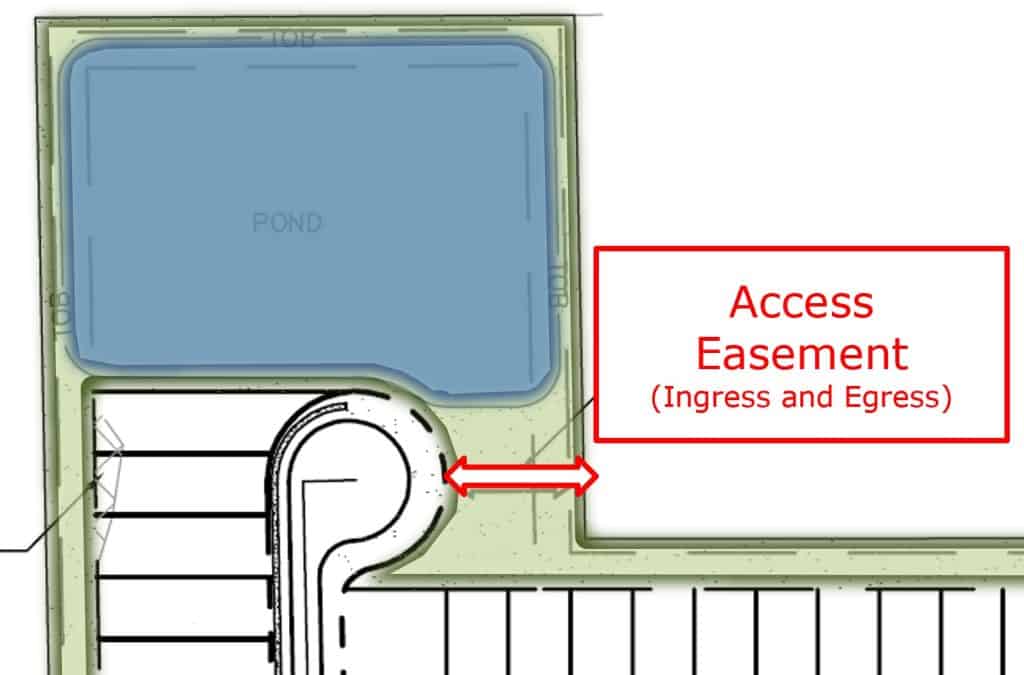
Easements are often essential for property access, utilities, and development. But when they are unclear, overburdened, or improperly documented, they can become the source of serious disputes. At St. Johns Law Group, our real estate litigation team represents property owners, developers, HOAs, and businesses in easement disputes and litigation across St. Augustine, Ponte Vedra, Palm Coast, and Northeast Florida.
Our attorneys combine decades of real estate law experience with proven litigation skills, giving our clients strong representation whether in negotiation, mediation, or Florida courts.
Related Pages:
Common Easement Disputes in Florida
Easement conflicts often arise from unclear agreements, changed circumstances, or conflicting uses of property. Some of the most common disputes we handle include:
Encroachments – When fences, walls, driveways, or structures are built within an easement area.
Blocked Access – When a property owner obstructs an easement, preventing ingress, egress, or utility access.
Boundary Conflicts – Disagreements over the exact location or scope of an easement, often tied to survey errors.
Overburdening the Easement – When an easement is used in a way that exceeds its intended purpose (e.g., increased traffic on a shared driveway).
Utility Easement Conflicts – Disputes between property owners and utility providers over installation, expansion, or maintenance rights.
Termination or Abandonment – Disputes about whether an easement is still valid or has been extinguished through non-use, merger, or changed circumstances.
Legal Doctrines Affecting Easement Disputes
Understanding Florida’s easement laws requires knowledge of several key doctrines:
Doctrine of Merger (Unity of Title) – When one owner acquires both the dominant and servient parcels, easement rights may merge and terminate. However, under Florida’s 2024 amendment to §704.09, easements may now be expressly recorded and survive even when the same owner owns all of the land, thus allowing for proper land planning and future development.
Prescriptive Easements – Created through continuous, open, and adverse use over time. Proving or defending against prescriptive easement claims often requires litigation.
Easement by Necessity – Florida law allows courts to grant easements when landlocked parcels require access. These cases frequently lead to disputes over location, scope, and compensation.
Overburdening – Even valid easements may not be expanded beyond their original intent. Courts may intervene when use becomes excessive.
Learn More: Florida Easement Agreements & Easement Law
How St. Johns Law Group Resolves Easement Disputes
Our attorneys pursue and protect your rights tempered for each situation and client, whether that means a negotiated settlement or aggressive litigation.
Methods We Use to Resolve Conflicts
Negotiation & Mediation – Finding practical resolutions without the cost of trial.
Quiet Title Actions – Clarifying ownership, extinguishing invalid easements, or confirming access rights.
Injunctions – Court orders to prevent interference with valid easements.
Declaratory Judgments – Asking the court to formally determine the validity, scope, or termination of an easement.
Eminent Domain & Condemnation – Advising when easements are taken for public use.
Civil Litigation – Pursuing or defending easement claims in Florida courts when disputes cannot be resolved otherwise.
Why Choose St. Johns Law Group for Easement Litigation?
Dedicated Real Estate Litigators – Our attorneys regularly appear in St. Johns County and Northeast Florida courts on property law disputes.
265+ Years of Combined Legal Experience – A large team with the depth to handle complex property matters.
Comprehensive Approach – We coordinate easement litigation with related issues like Real Estate Contracts & Remedies, Title Objections, and Construction Law.
Dedicated and Responsive® – Our service mark reflects our commitment to client-focused representation.
Recent Trends: Easement Litigation After the 2024 Florida Law Change
With the 2024 update to §704.09, Fla. Stat., disputes over unity of title and merger may decrease. Many property owners and developers may discover that prior easements are recognized even when unity of title would have merged the easement into the overall land. This means litigation may preserve access rights that owners previously assumed did not exist.
Our attorneys are already representing clients navigating these changes and can advise you on how the new law affects existing and future easement disputes.
Related Service: Partition Actions & Quiet Title
Areas We Serve
We represent clients in easement litigation throughout Northeast Florida:
St. Augustine & St. Augustine Beach
Ponte Vedra & Nocatee
Palm Coast & Flagler County
Jacksonville & Duval County
Clay, Putnam & Nassau Counties
FAQs About Easement Litigation in Florida
Q: Can I block an easement on my property if I no longer want it used?
No. If an easement is valid and recorded, blocking it can result in an injunction and damages. However, in some cases, easements can be terminated.
Q: How do courts decide where an easement by necessity should be placed?
Courts typically choose the least burdensome route across the servient estate that still provides reasonable access.
Q: What if my neighbor is overusing an easement?
If an easement is being used in a way that goes beyond its original intent (e.g., heavy commercial traffic on a residential driveway), you may have grounds for legal relief.
Q: Can unrecorded easements still be enforced?
Sometimes. Easements by prescription, implication, or necessity may still be recognized.
Speak with a St. Augustine Easement Litigation Attorney
If you are facing an easement dispute, blocked access, encroachment, or merger-related conflict, the attorneys at St. Johns Law Group are ready to protect your property rights.
📞 (904) 495-0400 | 📧 info@sjlawgroup.com
📅 Schedule a Consultation
Contact Us:
- 104 Sea Grove Main Street | St. Augustine, Florida 32080