Frequently Asked Questions
Florida Bankruptcy FAQs
These answers provide general information only. Bankruptcy outcomes depend on the specific
facts of each case.
What is the difference between Chapter 7 and Chapter 13 bankruptcy?
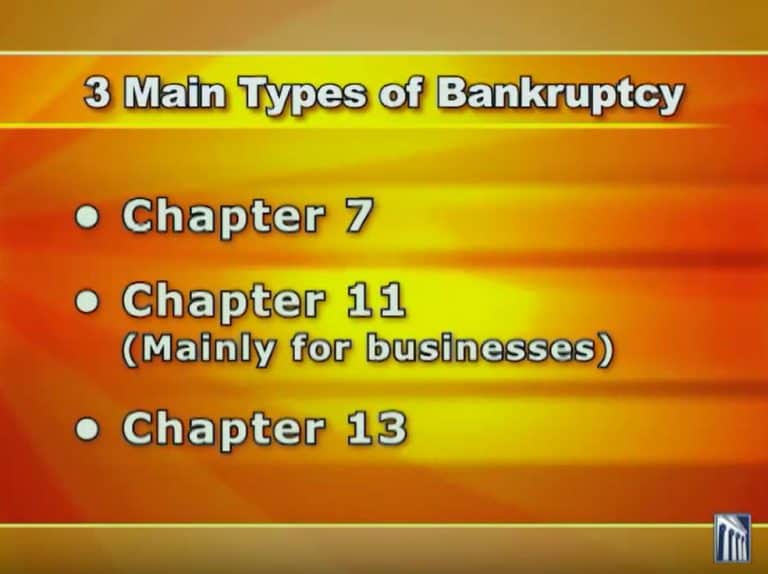
Chapter 7 generally involves liquidation principles and can result in a discharge of eligible
debts for qualifying debtors. Chapter 13 generally involves a court-supervised repayment plan
lasting three to five years. Eligibility, assets, income, debt type and financial goals can affect
which chapter, if either, is appropriate.
How do I know whether I qualify for Chapter 7?
Eligibility depends on several factors, including household income, expenses and the federal
means-test rules, as well as prior bankruptcy filings and other circumstances. A bankruptcy
attorney can evaluate the applicable calculations and exceptions.
Will I lose my house if I file bankruptcy in Florida?
Not necessarily. Florida law provides important exemptions, including homestead protections,
but the analysis can depend on ownership, residency, equity, mortgages, liens, timing and other
facts. The mortgage itself also remains relevant because bankruptcy does not automatically eliminate
valid secured liens.
Can bankruptcy stop a foreclosure?
Filing bankruptcy often triggers the automatic stay, which can temporarily stop many foreclosure
actions. However, exceptions apply, creditors may seek relief from the stay, and timing matters.
Chapter 13 may provide some debtors a way to address qualifying mortgage arrears through a plan.
Can bankruptcy stop a wage garnishment?
The automatic stay may stop many garnishments after a bankruptcy filing, although exceptions exist
for certain obligations and proceedings. Whether a garnishment stops and whether previously withheld
funds can be recovered depends on the circumstances.
What debts are usually not discharged in bankruptcy?
Some obligations are generally nondischargeable or may require special treatment, including many
domestic support obligations, certain taxes, some student loans, debts arising from specified
misconduct and certain other debts identified in the Bankruptcy Code.
What happens to my car in bankruptcy?
Treatment depends on the vehicle's value, available exemptions, loan balance, payment status,
bankruptcy chapter and the debtor's intended treatment of the secured debt. The correct strategy
should be determined before filing.
Can I keep retirement accounts if I file bankruptcy?
Many qualified retirement accounts receive substantial protection under applicable federal or
state law, but account type and circumstances matter. Retirement assets should be reviewed before
any filing or withdrawal decision.
What is the bankruptcy means test?
The means test is a statutory calculation used in many consumer bankruptcy cases to evaluate
Chapter 7 eligibility and related issues. It uses income and permitted expense calculations and
can be more complicated than simply comparing annual salary to a single number.
How long does Chapter 7 bankruptcy usually take?
Many routine Chapter 7 cases are completed within several months, although disputed matters,
trustee issues, assets, litigation or other complications can extend the timeline.
How long does Chapter 13 bankruptcy last?
Chapter 13 repayment plans generally last three to five years, depending on the debtor's income,
plan requirements and circumstances.
Should I consider debt settlement instead of bankruptcy?
Sometimes. Debt settlement may be appropriate in certain situations, but it can have tax,
credit, litigation and cash-flow consequences and does not provide the same automatic-stay
protections as bankruptcy. The alternatives should be compared before committing to a strategy.