
Car vs. Scooter Collisions
Motor vehicles striking scooter riders on streets, intersections or other travel areas.
Serious Injuries. Local Counsel. Trial-Ready Representation.
Injured while riding a motorized scooter in St. Augustine or Northeast Florida? St. Johns Law Group helps injured riders investigate what happened, evaluate insurance coverage, preserve important evidence and pursue compensation available under Florida law.
Scooter accidents can involve cars, trucks, pedestrians, rental businesses, tourists, sidewalks, intersections, roadway conditions and questions about the particular device involved.
Scooter crashes can result in substantial injuries despite the relatively small size of the device.
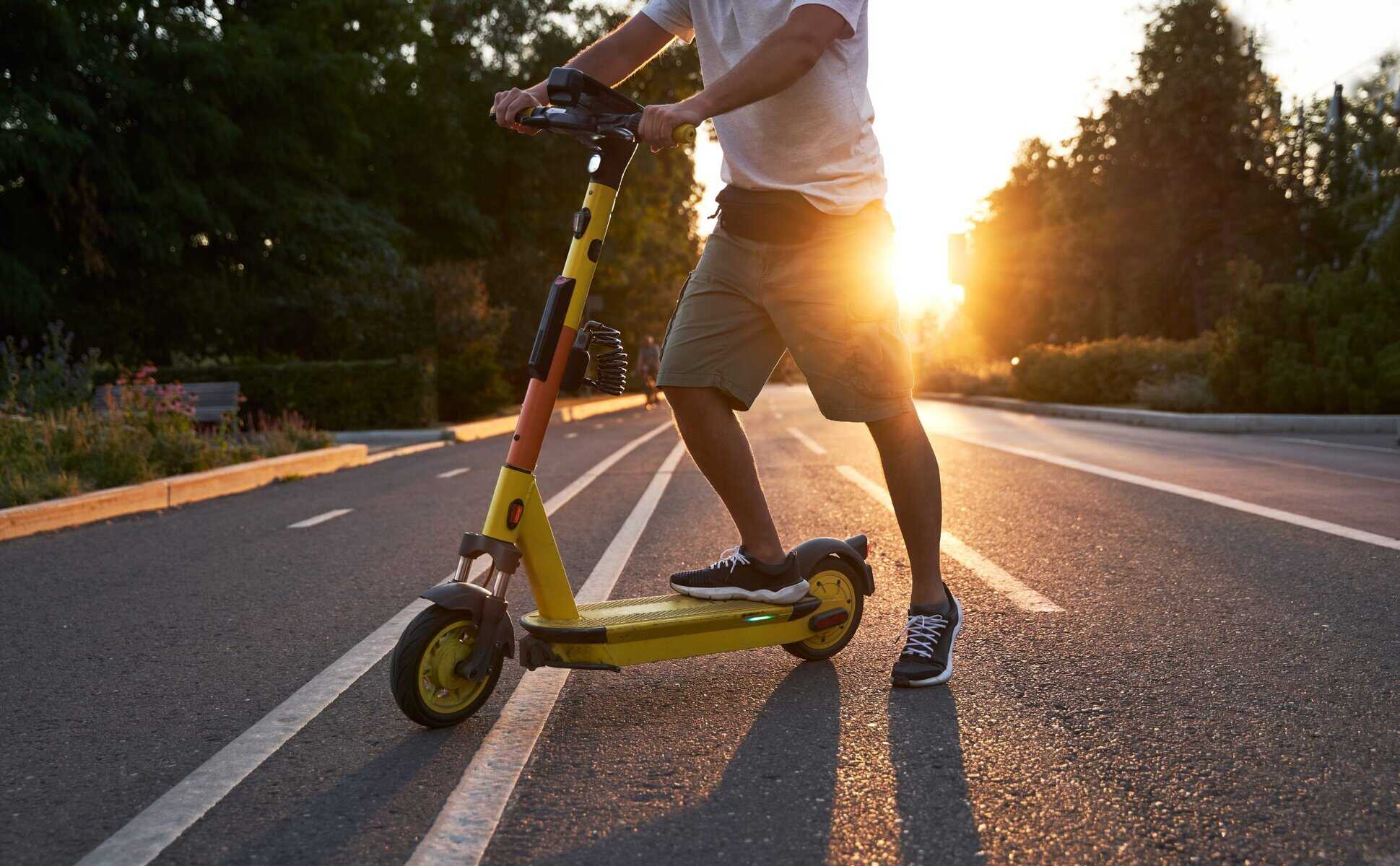
A scooter rider can suffer substantial injuries when struck by a motor vehicle or thrown onto pavement.
Scooter claims may turn on driver attention, rider visibility, intersections, sidewalk use, road conditions, rental equipment and the legal classification of the particular device.
Early investigation can be especially important in tourist areas where hotels, businesses, residences or public facilities may have video of the accident.
Scooter crashes can involve motorists, rental companies, riders, pedestrians and potentially dangerous roadway or property conditions.
Motor vehicles striking scooter riders on streets, intersections or other travel areas.
Drivers turning across the path of an approaching scooter rider.
Collisions involving traffic controls, visibility and disputed right-of-way.
Claims involving rental businesses, tourists, maintenance or equipment condition.
Drivers leaving the scene and potential uninsured-motorist coverage issues.
Scooter accidents involving pedestrians on sidewalks, shared paths, parking areas or other locations.
Potholes, uneven pavement, debris or other allegedly dangerous conditions.
Alleged brake, wheel, steering, throttle or other mechanical problems.
Wrongful-death claims arising from fatal scooter collisions.

Joshua R. Saxon leads St. Johns Law Group's personal injury practice and represents clients in scooter, bicycle, e-bike, motor-vehicle and serious injury matters.
Scooter cases can require review of crash evidence, device classification, rental records, equipment condition, insurance, medical evidence and disputed liability.
Scooter accidents can produce serious injuries, while evidence needed to determine what happened may disappear quickly.
Seek appropriate medical evaluation and document accident-related injuries.
Contact law enforcement or the appropriate property or rental entity when applicable.
Save photographs, video, witness information and identifying details for the vehicles involved.
Avoid unnecessary repair or disposal if the scooter's condition may become relevant.
Early review can help identify responsible parties, insurance and important evidence.
Scooter crashes may produce competing accounts concerning speed, direction, visibility and where the rider or motor vehicle was located before impact.
Photographs, traffic controls, roadway markings, lighting, sidewalk conditions and debris may help establish how an accident occurred.
Surveillance cameras, dash cameras and nearby businesses may have footage that can be overwritten if it is not identified promptly.
Brake condition, wheels, steering, throttle controls, modifications and physical damage may become important in some cases.
Rental agreements, inspection records, maintenance records, app data or other electronic information may be relevant when available.
Video can be overwritten, vehicles can be repaired and roadway conditions can change. Early investigation may help preserve evidence needed to evaluate liability.
The legal classification of the particular device can affect the rules governing operation and the analysis after an accident.
Florida generally defines a motorized scooter as a motor-powered vehicle or micromobility device, with or without a seat or saddle, designed for no more than three wheels and incapable of exceeding 20 miles per hour on level ground.
Operators of qualifying motorized scooters and micromobility devices generally have rights and duties applicable to bicycle riders, subject to statutory exceptions.
Florida law generally exempts qualifying motorized scooters and micromobility devices from specified motor-vehicle registration, insurance and driver-licensing requirements.
Cities and counties may adopt ordinances governing motorized scooter operation on streets, highways, sidewalks and sidewalk areas within their jurisdiction.
Speed capability, design, number of wheels and other characteristics may affect classification under Florida law.
Small electric transportation devices can look similar while falling within different statutory categories.
A qualifying motorized scooter falls within Florida's micromobility framework and is limited by the statutory maximum-speed definition.
An e-bike requires operable pedals and must satisfy Florida's separate electric-bicycle definition and class structure.
A powered device capable of operating outside the statutory scooter definition may require a different vehicle-classification analysis.
Classification can affect operating rules, registration, insurance, licensing and other issues relevant to an accident claim.
St. Augustine's tourism market means some scooter riders may be using rented equipment while traveling through unfamiliar surroundings.
Rental contracts, waivers and instructions may identify the parties, device and terms associated with the rental.
Inspection schedules, repair history and maintenance records may be relevant if scooter condition is disputed.
Warnings and operating instructions actually provided to the rider may be relevant depending on the theory of liability.
Potential commercial insurance may need review if a rental or other business is alleged to be legally responsible.
The evidence must support a legal basis for responsibility, such as negligent maintenance, a dangerous condition or other actionable conduct.
Coverage can depend heavily on how the accident occurred, the parties involved and the actual insurance policies.
When a car, truck or other motor vehicle causes the accident, that driver's liability coverage may be an important source of recovery.
Depending on the policies and circumstances, uninsured-motorist coverage may become relevant when a responsible motorist is uninsured or cannot be identified.
A rental business or other commercial entity may have liability coverage relevant to a claim involving its conduct or equipment.
Depending on the circumstances, other policies may require review rather than assuming no additional insurance applies.
Scooter riders have very little physical protection from direct impact or contact with pavement.
Concussions and more serious neurological injuries.
Spinal cord, vertebral, disc and serious back or neck injuries.
Broken wrists, arms, shoulders, legs, hips and other bones.
Internal bleeding, organ injuries and other traumatic complications.
Abrasions, lacerations and tissue damage from roadway contact.
Injuries resulting from direct impact or a forward fall.
Long-term limitations affecting work, mobility and daily life.
Wrongful-death claims following fatal scooter crashes.
Recoverable damages depend on liability, causation, injuries, applicable law, available insurance and supporting evidence.
Hospital, physician, therapy and other accident-related expenses.
Reasonably anticipated treatment and rehabilitation.
Income lost because injuries prevented or limited employment.
Potential future economic loss from reduced earning ability.
Non-economic damages where available under Florida law.
Damages associated with lasting impairment or disfigurement.
Repair or replacement of a privately owned scooter or other property.
Separate statutory damages may be available after a fatal accident.
Every case is different, but serious scooter claims often move through several common stages.
Rental-company issues, device classification, insurance and liability may become disputed.
St. Johns Law Group's personal injury practice is supported by a broader team of civil litigators and legal professionals. When a scooter claim requires discovery, depositions, experts, mediation, trial preparation or courtroom advocacy, those resources are available within the same law firm.
Every matter is different. Past results do not guarantee or predict a similar result in any future case.

Explore additional St. Johns Law Group resources concerning Florida personal injury claims, comparative fault and potential claim value.
Answers concerning insurance, damages, deadlines and personal injury litigation.
View FAQs → Florida LawLearn how allegations of shared fault may affect a Florida personal injury claim.
Learn More → Interactive ToolExplore factors that may influence the potential value of an injury claim. Educational purposes only.
Open Calculator →Recent guidance from St. Johns Law Group concerning scooters, micromobility, motor-vehicle accidents, insurance and Florida personal injury law.

St. Augustine combines historic streets, sidewalks, tourism, parking areas, beach communities and substantial interaction between pedestrians and vehicles.
Scooter riders may include visitors unfamiliar with local streets as well as residents using micromobility devices for shorter trips.
St. Johns Law Group is based in St. Augustine and represents injured scooter riders and other accident victims throughout St. Johns County and surrounding Northeast Florida.
St. Augustine, St. Augustine Beach, Ponte Vedra, Nocatee, Vilano Beach, Silverleaf, World Golf Village, Fruit Cove, Julington Creek, Hastings and Elkton.
Palm Coast, Flagler Beach, Bunnell and nearby communities.
Jacksonville, Jacksonville Beach, Neptune Beach, Atlantic Beach, Mandarin, San Marco and Southside.
Green Cove Springs, Fleming Island, Middleburg, Palatka, East Palatka and surrounding communities.
Tell us what happened. Our legal team can review the accident, injuries, scooter, insurance information and potential next steps.
Personal injury matters may be handled on a contingency-fee basis. The written representation agreement controls the actual fee arrangement, costs and other terms.
Provide basic information about the accident and your injuries.
The information on this website is not intended to be legal advice. Submission of this form does not establish an attorney-client relationship. A person may become a client only after a conflict check and through a written engagement agreement. Do not include confidential or sensitive information in this form.