
Medicaid & Long-Term Care Planning
Evaluate care costs, eligibility considerations, income and asset issues, spouse protections and planning options before or during a care transition.
Plan for Long-Term Care, Incapacity, Asset Preservation & Your Family’s Future
St. Johns Law Group helps seniors, adults with disabilities and their families address Medicaid planning, long-term care, powers of attorney, advance directives, guardianship, estate planning, asset protection and probate through one coordinated St. Augustine legal team.
Later-life planning can involve estate planning, Medicaid, guardianship, probate, real estate, tax issues, trusts and family decision-making.
St. Johns Law Group brings those disciplines together so seniors and families can address related legal needs through one full-service firm.
Elder law focuses on the legal needs of older adults, adults with disabilities and the family members helping them plan or provide care.
It extends beyond traditional estate planning. Elder-law planning may address long-term care, incapacity, benefits eligibility, guardianship, property ownership, asset preservation and administration after death.
Families often have greater flexibility when powers of attorney, estate documents, long-term-care planning and property decisions are addressed before incapacity or an urgent care transition.
Elder law frequently requires coordinated planning across several legal areas rather than a single document.
Evaluate care costs, eligibility considerations, income and asset issues, spouse protections and planning options before or during a care transition.
Establish authority for a trusted person to address financial and legal matters if incapacity occurs.
Coordinate healthcare surrogate designations, living wills, HIPAA authorizations and related healthcare instructions.
Evaluate whether guardianship is necessary and whether less-restrictive alternatives may be available.
Coordinate wills, trusts, beneficiary designations, Lady Bird deeds and incapacity documents.
Assist families after death with probate, personal-representative duties, creditors, property and distributions.
Nursing-home and other long-term-care expenses can create substantial financial pressure for seniors and their families.
Florida Medicaid may provide assistance for qualifying individuals, but eligibility involves financial and program-specific requirements.
Eligibility can depend on marital status, income, assets, transfers, care setting and other circumstances. Strategies appropriate for one family may not be appropriate for another.
A Qualified Income Trust, often called a Miller Trust, may be relevant when an applicant’s income exceeds an applicable Medicaid income limit.
The trust must be structured and administered in accordance with applicable Medicaid requirements.
Appropriate income may need to pass through the trust according to program rules.
A Miller Trust addresses a particular income issue and should be coordinated with the rest of the Medicaid and estate plan.

Medicaid planning, powers of attorney, trusts, deeds and beneficiary arrangements can affect one another.
Coordinated legal planning can help families avoid conflicting documents and better understand how care, property and estate decisions fit together.
Advance planning allows an individual to identify trusted people to assist with financial, legal and healthcare decisions if incapacity occurs.
Proper advance documents can sometimes provide decision-making authority without a later court-supervised guardianship proceeding.
Whether that is sufficient depends on the person, documents and circumstances.
When an adult can no longer safely manage personal or financial affairs and adequate alternatives are unavailable, a Florida guardianship proceeding may need to be considered.
Determine whether valid powers of attorney, trusts or other arrangements may address the issue.
Assist with petitions and related guardianship proceedings when appropriate.
Address who may be appropriate to serve as guardian and what authority may be necessary.
Guardians may have continuing court, accounting and reporting responsibilities.
Direct probate assets, nominate a personal representative and coordinate family intentions.
Provide a structure for lifetime management, incapacity planning and post-death administration.
Certain irrevocable structures may be relevant to specific estate, asset or benefits-planning goals.
Enhanced life estate deeds may be useful in certain Florida property and estate plans.
Plan for beneficiaries with disabilities while addressing means-tested benefits.
Review life insurance, retirement accounts and other beneficiary-designated assets.
Elder-law planning may involve reviewing how homes, investment assets, accounts and other property are titled or structured.
Florida law provides important protections for certain assets, but the availability and effect of those protections depend on the particular facts.
Homestead, jointly owned property, annuities, trusts and other assets can receive different treatment depending on creditor law, Medicaid rules, ownership and timing.
Planning should be individualized and completed before unnecessary transfers are made.
Elder-law planning often continues into probate and estate administration after a family member dies.
St. Johns Law Group’s estate-planning and probate attorneys can address both advance planning and administration after death.
Review health, care needs, family circumstances, assets, existing documents and immediate concerns.
Determine which estate, Medicaid, guardianship, property or probate issues require attention.
Prepare or revise documents and coordinate appropriate long-term-care and property planning.
Complete the plan and revisit it as care, financial or family circumstances change.
Elder-law matters may involve estate planning, tax, probate, real estate and complex family issues.
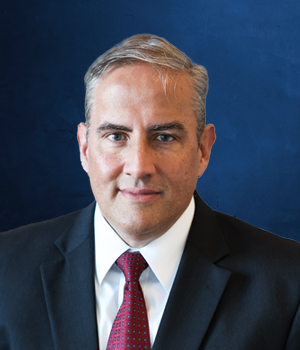
Estate, tax and planning counsel for seniors, families and complex estate matters.
View Attorney Profile →
Estate-planning and probate counsel for individuals and families.
View Attorney Profile →
More than four decades of legal experience involving probate, estates and property matters.
View Attorney Profile →
Real-estate and property counsel supporting estate and elder-law plans involving significant assets.
View Attorney Profile →
St. Johns Law Group serves seniors, families and businesses throughout St. Johns County and Northeast Florida.
Elder-law clients benefit from access to attorneys who can address estate planning, probate, real estate, tax and related legal issues within one firm.
Estate planning, probate, property, taxation issues and litigation can be addressed within one firm.
The firm can assist with proactive planning as well as probate, guardianship and other contested matters when necessary.
Families receive clear guidance and responsive communication through important later-life decisions.
Elder-law attorneys assist older adults, adults with disabilities and their families with issues such as estate planning, long-term care, Medicaid, powers of attorney, advance directives, guardianship, probate and related property or financial planning.
Earlier planning can provide more options. Consider obtaining advice when long-term care becomes a concern, after a significant diagnosis, when estate documents are outdated, when family members are beginning to assist with finances, or before transferring significant assets.
Florida Medicaid may provide long-term-care assistance to qualifying individuals. Eligibility depends on financial, medical and program requirements and should be evaluated based on the applicant’s specific circumstances.
A Miller Trust, also called a Qualified Income Trust, is a particular trust structure that may be relevant when an applicant’s income exceeds an applicable Medicaid income limit. It must be established and administered according to applicable rules.
In some situations, a valid and sufficiently broad durable power of attorney may provide needed financial authority without guardianship. Whether it is adequate depends on the documents and circumstances.
No. Existing powers of attorney, trusts, healthcare surrogate designations and other arrangements may provide less-restrictive alternatives in some circumstances.
Yes. Long-term-care planning can interact with wills, trusts, powers of attorney, property, beneficiary designations and Medicaid eligibility, making coordinated review important.
Yes. St. Johns Law Group handles probate, estate administration, trust issues and related property matters in addition to advance estate and elder-law planning.
Recent estate-planning articles and resources from St. Johns Law Group.
Explore revocable, irrevocable and specialized trust planning.
Explore Trusts →Learn about durable powers of attorney and incapacity planning.
Explore Powers of Attorney →Explore probate and estate-administration services from St. Johns Law Group.
Explore Probate →Whether you are planning ahead, helping an aging parent, considering Medicaid, reviewing estate documents or facing a guardianship or probate issue, St. Johns Law Group can help identify the legal steps appropriate to your family’s circumstances.
Complete the secure intake form below and a member of our team can review your inquiry.