
Understanding Easements in Florida Real Estate
Easements are legal rights that allow someone to use another person’s land without owning it. In Northeast Florida, easements often involve driveways, shared access roads, drainage, utilities, docks, or beachfront walkways. They can significantly affect property use and value, which is why every property owner, buyer, and developer should understand how they work.
At St. Johns Law Group, our St. Augustine real estate attorneys draft, review, and resolve easement agreements throughout St. Johns, Flagler, Duval, Clay, and Putnam counties.
Types of Easements You May Encounter
-
Ingress & Egress Easements – Driveway or roadway access to otherwise landlocked parcels.
-
Utility Easements – Access for power lines, water, sewer, and broadband infrastructure.
-
Drainage Easements – Stormwater management, retention ponds, or runoff.
-
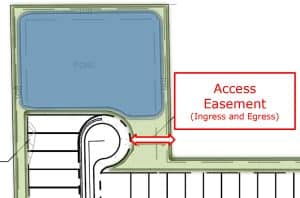
Access Easements – Walkways, beach paths, dock rights.
-
Conservation Easements – Restrictions to preserve wetlands or environmentally sensitive areas.
How Easements Are Created
Easements may be created in several ways:
-
Express Easements – Written and recorded in county property records.
-
Implied Easements – Arise by conduct or necessity, even without a document.
-
Easements by Necessity – Required for landlocked parcels needing access to public roads.
-
Prescriptive Easements – Result from long-term, open, and adverse use without permission.
Tip: Always record express easements to provide notice and ensure enforceability.
Why Precise Drafting Matters
Poorly drafted easements are among the most common causes of real estate disputes. Strong agreements should define:
-
Scope of use (vehicles, utilities, foot traffic)
-
Duration (permanent or term-limited)
-
Maintenance obligations
-
Transferability to future owners
-
Relocation or termination rights
2024 Update: Florida Statute § 704.09 – Unity of Title & Merger
Florida recently updated § 704.09, clarifying how easements are treated when one party owns both the “dominant” and “servient” parcels.
-
Easements are not automatically extinguished under unified ownership.
-
Developers can establish and record easements before subdividing property.
-
Greater certainty now exists for landowners planning parcel divisions or sales.
This change makes it crucial to properly record easements before transferring property.
Easements and Property Transactions
Easements can affect property value:
-
Positive impact – Ingress/egress easements make landlocked property marketable.
-
Negative impact – Utility or conservation easements may restrict development.
That’s why buyers, sellers, and lenders must carefully review easements during title searches, surveys, and closings.
FAQs About Easements
Do easements have to be recorded?
Yes. Express easements should be recorded for clarity and enforceability.
Can an easement be changed or terminated?
Yes. This usually requires mutual agreement or court action.
Do easements affect resale value?
Yes. Some increase value, others reduce development options.
Can an easement exist without a written agreement?
Yes. Florida law recognizes implied, necessity, and prescriptive easements.
Work with an Experienced Easement Attorney in St. Augustine
If you are:
-
Creating or recording a new easement,
-
Reviewing easements before a property purchase,
-
Facing an easement dispute, or
-
Subdividing land under the updated Florida Statute § 704.09…
You need an experienced attorney.
At St. Johns Law Group, our Dedicated and Responsive® real estate team has decades of combined experience helping property owners, HOAs, developers, and businesses resolve easement issues across Northeast Florida.
📞 Call us at (904) 495-0400 or email info@sjlawgroup.com to schedule a consultation.